Yambulla Gold Project

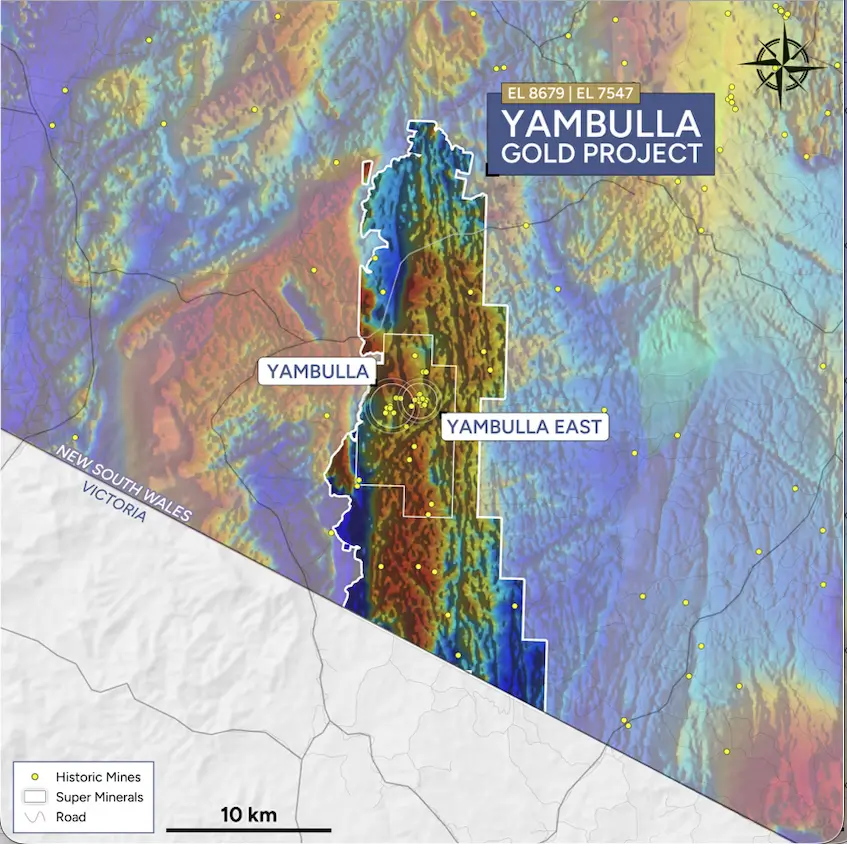
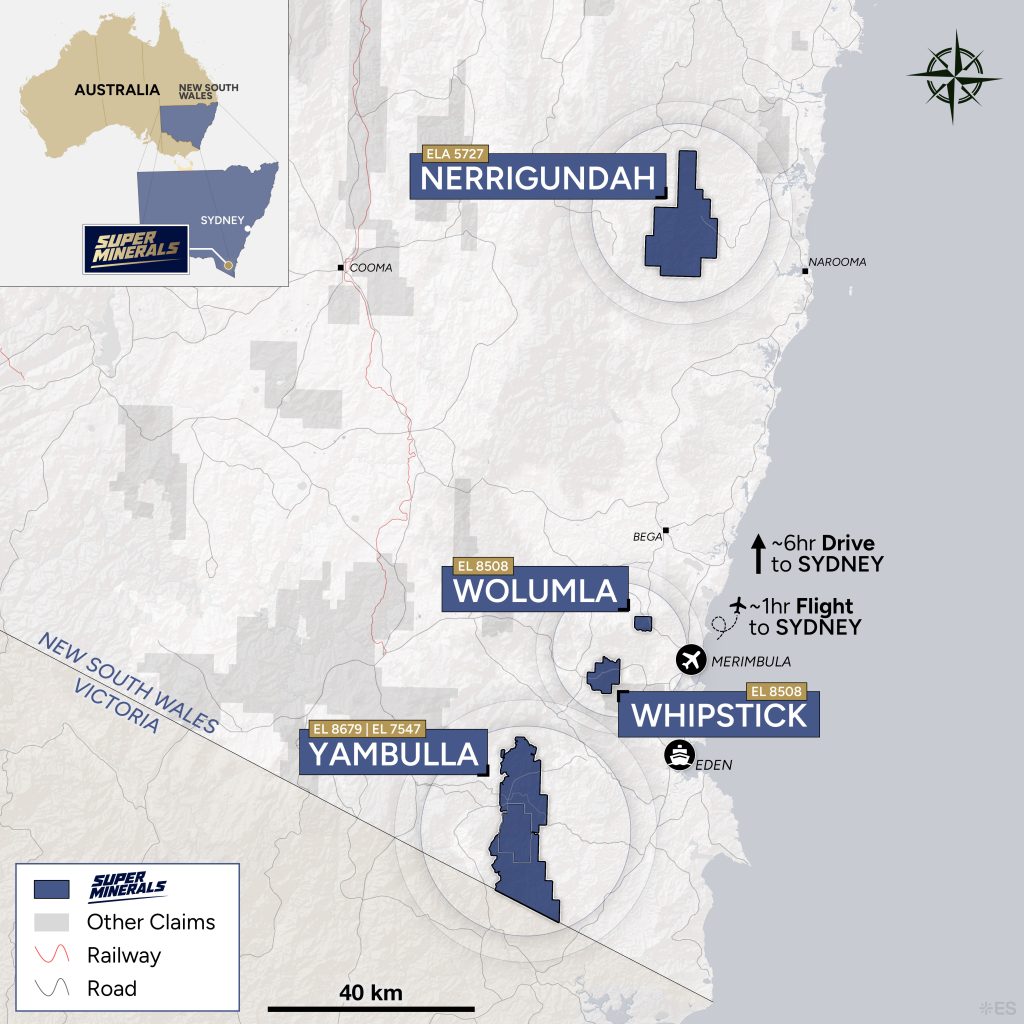
(Figure 1: Super Minerals' Eden District Portfolio – Project Location Map)

Unlocking Yambulla's Gold Potential

The Yambulla Gold Project is Super Minerals’ flagship asset, located in the Eden district of south-east New South Wales, ~30 kilometres from the coastal town of Eden. The project encompasses a large, contiguous landholding with multiple target areas within a proven high-grade gold system that has never been subjected to comprehensive modern exploration.

Historical Significance and Proven Production

Gold was first discovered in the Yambulla district in 1891, following alluvial gold finds on the Timbillica River. This discovery led to systematic mining of the Timbillica reefs, located approximately 5 kilometres to the east of the Yambulla Goldfield. Between 1899 and 1917, approximately 27,000 ounces of gold were extracted from the Yambulla district, principally from high-grade mines including the Prospectors, Duchess of York, Walz & McCloys and Welcome Stranger workings. Mining was conducted from shallow depths, typically down to 50 to 100 metres, from oxidised material above the water table recovered through gravity separation.

Despite this significant production history, the goldfield remains underdeveloped relative to its geological potential. Recent historical panning activity continues to recover coarse, flaky gold from surrounding creeks, indicating ongoing mineralisation potential.

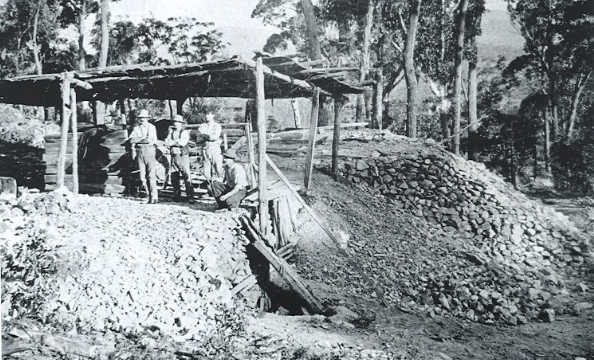
(Figure 2: Historical image – Yambulla Gold Project)
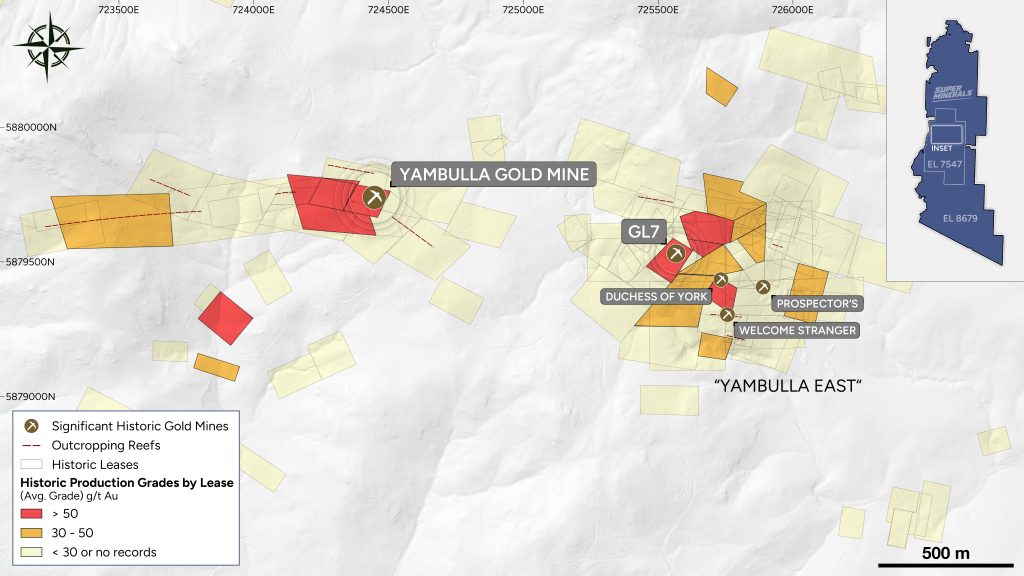
(Figure 3: Yambulla Gold Project – Historical Mine Workings and Production Grades)

Geology and Mineralisation

The Yambulla Gold Project exhibits geological characteristics consistent with large-scale intrusion-related gold systems. Gold and, albeit undersampled, silver mineralisation is hosted within steep-dipping lodes, characterised by silica-sericite-pyrite-gold mineralisation overprinted by gold bearing quartz veins with minor galena. The project, centred on a large multi-phase granite system, has seen limited exploration for granite-hosted gold despite global examples of world-class deposits in similar geological settings.

The known mineralised corridor extends for more than one kilometre and remains open both at depth and along strike. Critically, historical mining focused on the oxidised, near-surface material. Exploration below the historical workings and across parallel lode structures remains untested. Significant halo mineralisation has been identified around the high-grade lodes, suggesting potential for both narrow, high-grade structures and broader, lower-grade zones. Historical records also indicate a gold to silver ratio of approximately 2:1, though drilling assays have not been completed for silver, representing an additional exploration upside.

Drilling Results and Current Understanding

Recent drilling at Yambulla has demonstrated the continuity of mineralisation below and alongside historical workings. Key drilling intercepts include:

(Figure 6: Yambulla Gold Project – Soil Geochemistry Survey)

However, some historical drilling missed mineralisation (ie drilled under and parallel to mineralisation). Recent diamond drilling, perpendicular to mineralisation demonstrated ore-grade mineralisation extends well below previous interpretations and that parallel lode potential remain untested.

Yambulla East

(Figure 7: Yambulla East – Soil Geochemistry, Trenching and Drilling Interpretation)

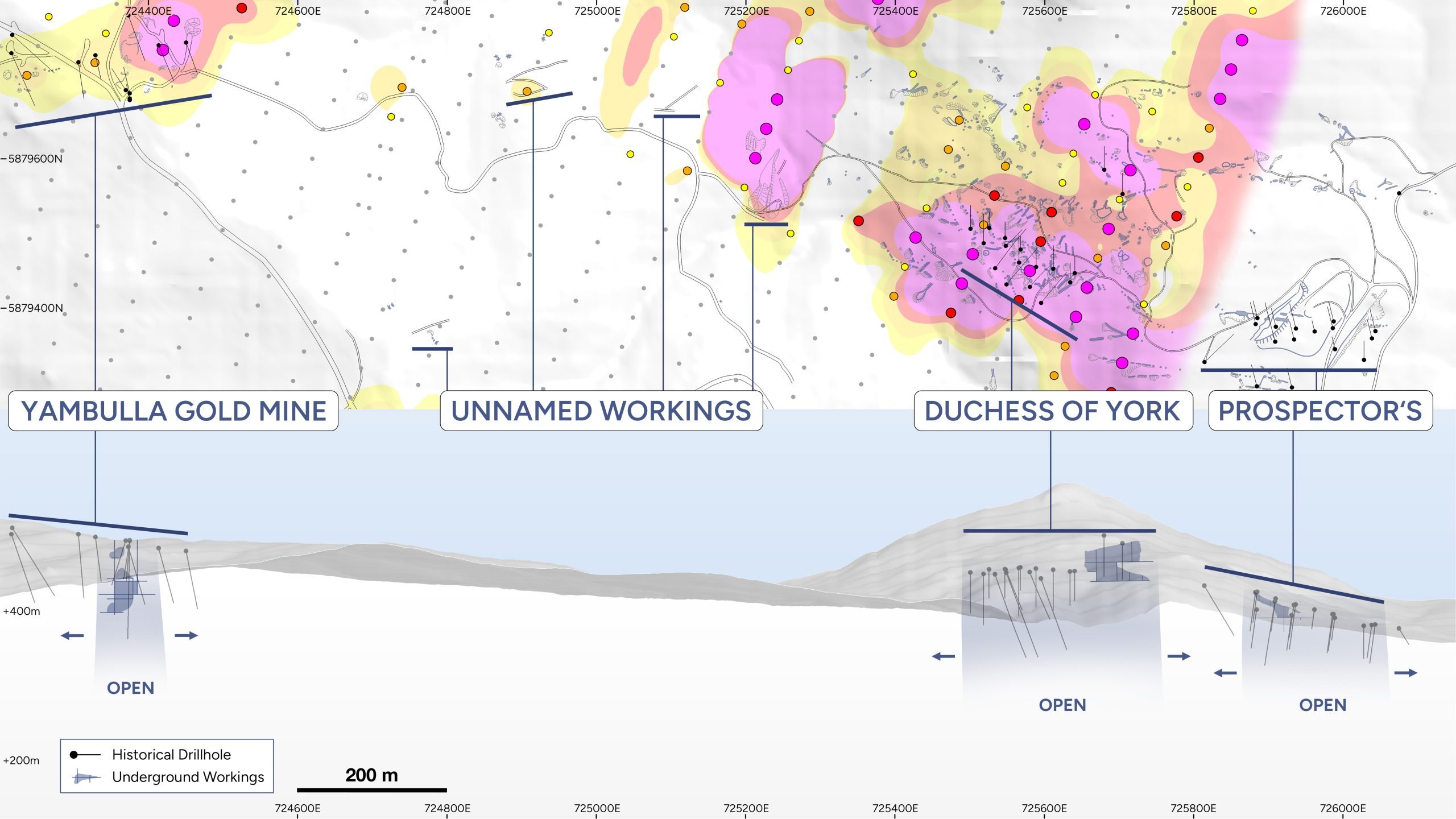
The Yambulla East prospect, encompassing the historic Prospectors, Dutchess of York, Waltz & McCloys etc, represents a significant exploration opportunity within the broader Yambulla Gold Project. This area has seen more extensive historical mining of parallel lodes compared to the Yambulla main area, demonstrating the district’s potential to host multiple mineralised structures.

Historical mining at Yambulla East focused on parallel lode structures mined to similar shallow depths as Yambulla. Recent trenching and shallow drilling programs have extensively tested the known lodes at surface and immediately below, confirming the orientation and grade characteristics of mineralisation. However, extensions to most of these historical workings have not been tested by drilling at depth or along strike.

Recent drilling results include:

These results demonstrate the continuity of mineralisation and the potential for significant extensions. The parallel lode potential at Yambulla East is particularly compelling, with recent drilling suggesting additional mineralised structures remain to be tested.

Regional Prospectively

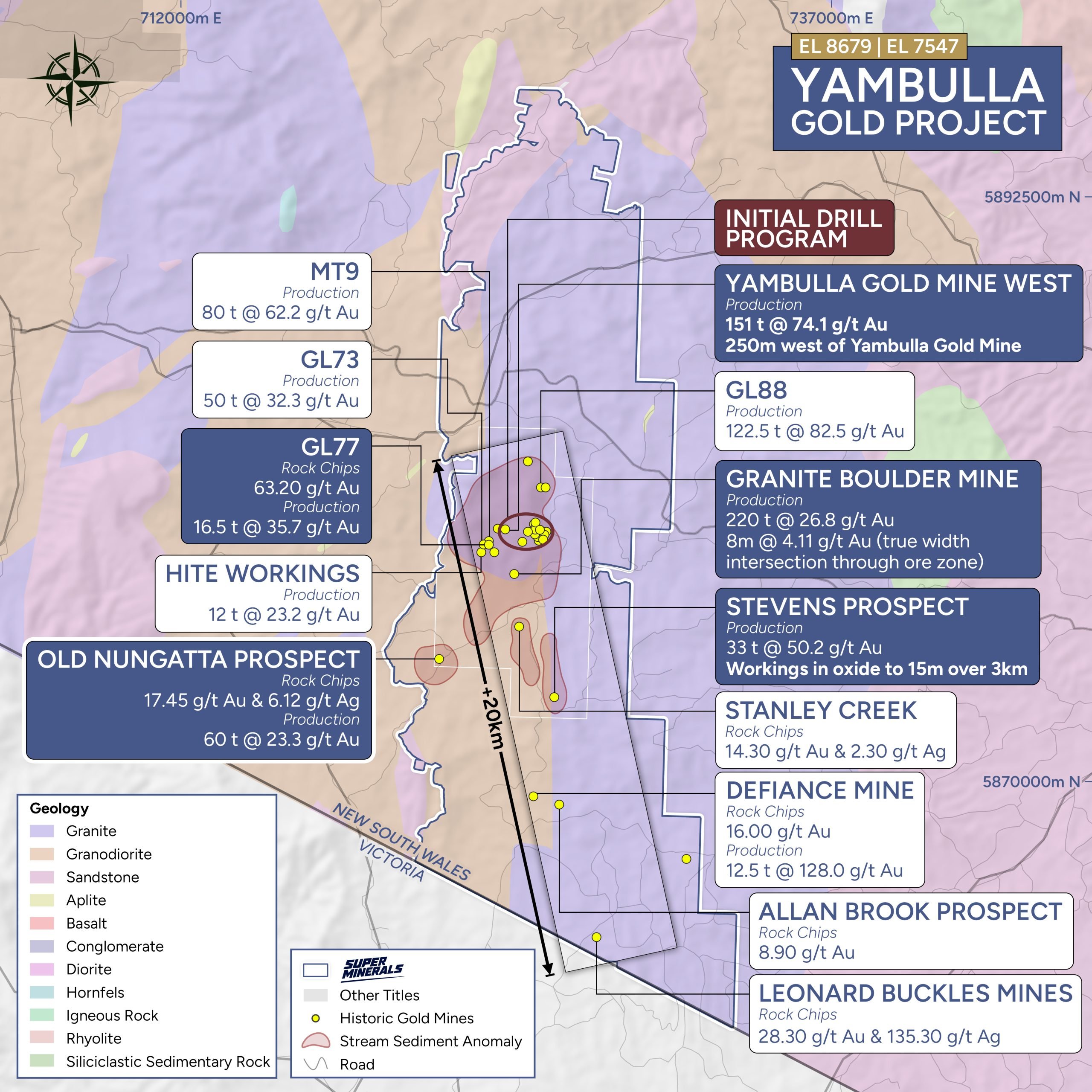
(Figure 8: Yambulla Gold Project – Regional Result)
(Figure 9: Yambulla Gold Project – Historical Mine Workings and Modern Drilling Interpretation)

Exploration Program and Next Steps

Super Minerals’ planned drilling program at Yambulla includes an initial 40 diamond drill holes totalling 6,000 metres, utilising a two-rig strategy, including a company-owned for primary mineralisation testing, and a mobile low-impact rig for Yambulla East exploration. The program is designed to test mineralisation continuity across the >1 kilometre strike length, evaluate parallel lode potential and explore extensions at depth. 

Complementary ground geochemistry will extend soil surveys to the west and east, while also evaluating historic workings to the south and north, ensuring comprehensive coverage of exploration targets across the project area.